
A soft landing,
before you buy.
Most people who move here have imagined it for years. The smart move is to test the practical parts early: schools, healthcare, winter roads, where to live, and how the first ninety days will actually feel.
- 1-2 yrTypical Timeline
- Vancouver +Most Common Origin
- Both SeasonsRecommended Visits
- PersonalIntroductions
Is Nelson BC a good place to live and buy real estate?
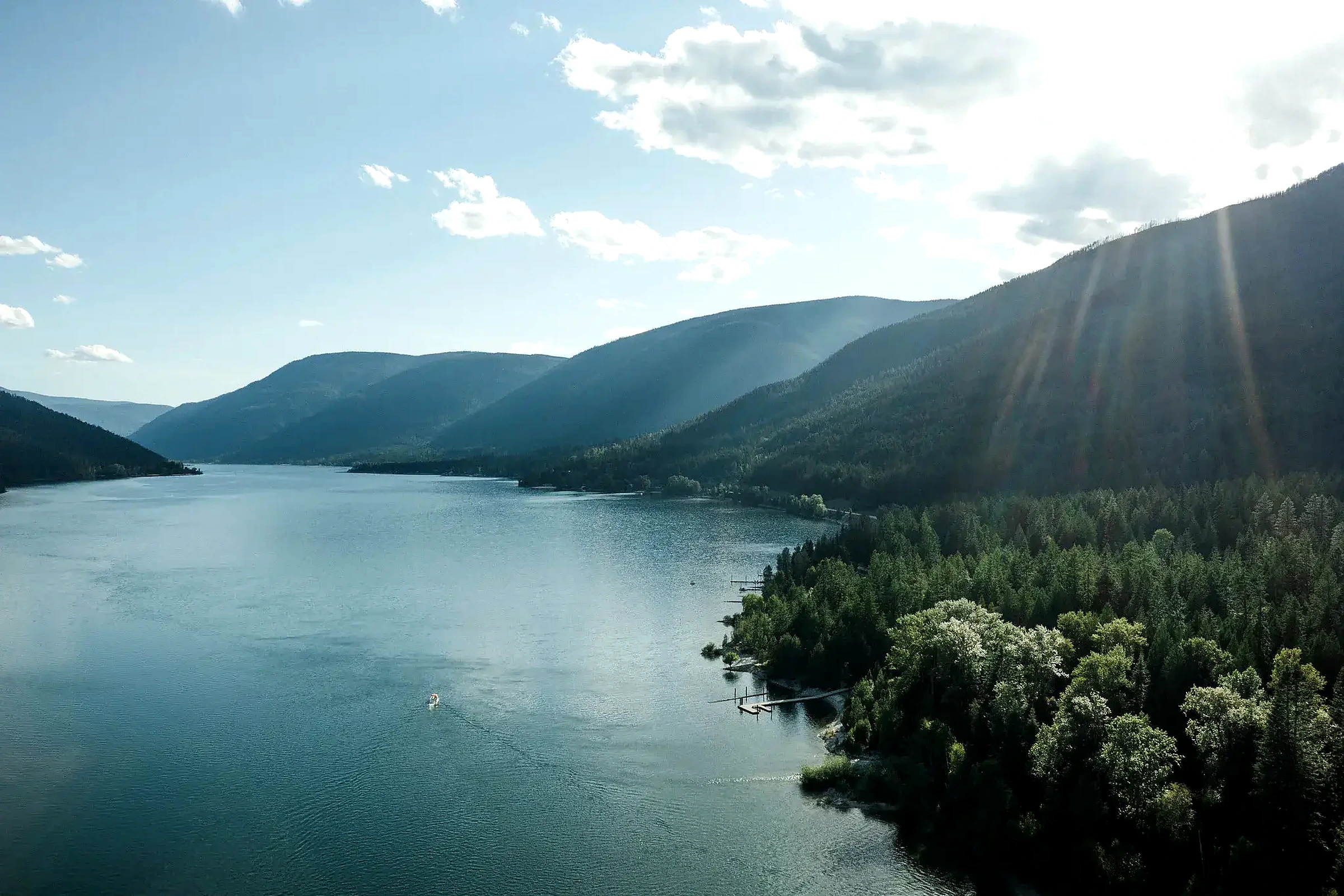
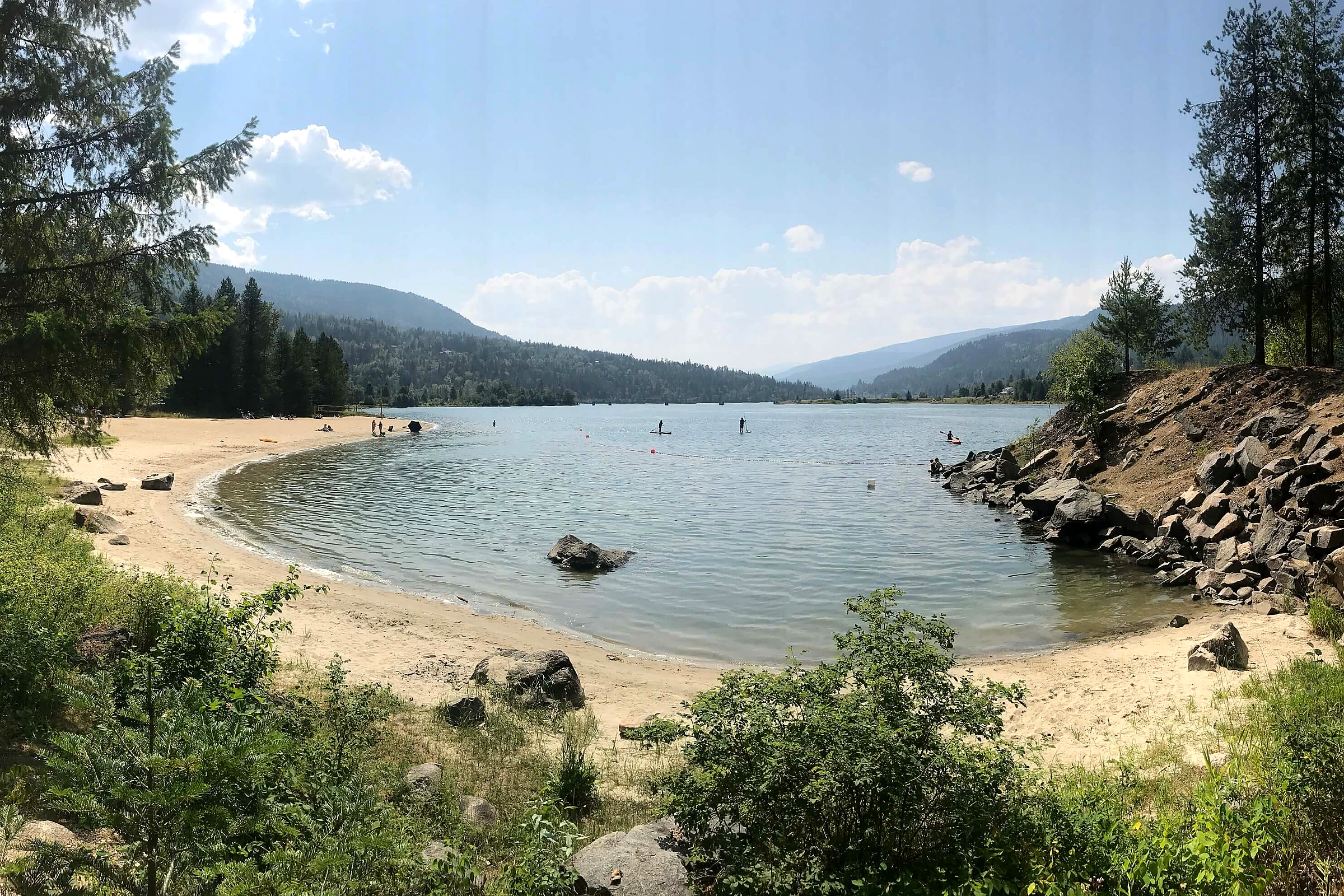
Nelson works best for buyers who want a real mountain town with restaurants, schools, lake access, arts, trails, and Whitewater skiing. The practical decision is whether the neighbourhood, winter routine, healthcare access, commute, and first ninety days match the life you are planning.
- moving to nelson bc
- is nelson bc a good place to live
- nelson bc relocation
The questions
relocators actually ask.
These are the six considerations that come up in nearly every relocation conversation. Honest answers. No gloss.
Schools
Nelson and the surrounding valley have public, independent, and Waldorf options, plus Selkirk College nearby. Luke can help you understand which areas fit your school routine before you focus on homes.
Healthcare
Kootenay Lake Hospital serves Nelson, with larger care options in Trail and Cranbrook. Family doctor access can vary, so it is worth asking practical questions early.
Climate
Nelson has warm summers, snowy winters, and real seasonal contrast. Visit in more than one season if you can, especially if winter roads or ski life matter.
Commute & Connectivity
Castlegar and Cranbrook handle regional travel. Internet and cell service are strong in town and along main corridors, but deeper valleys should be checked address by address.
Daily Life
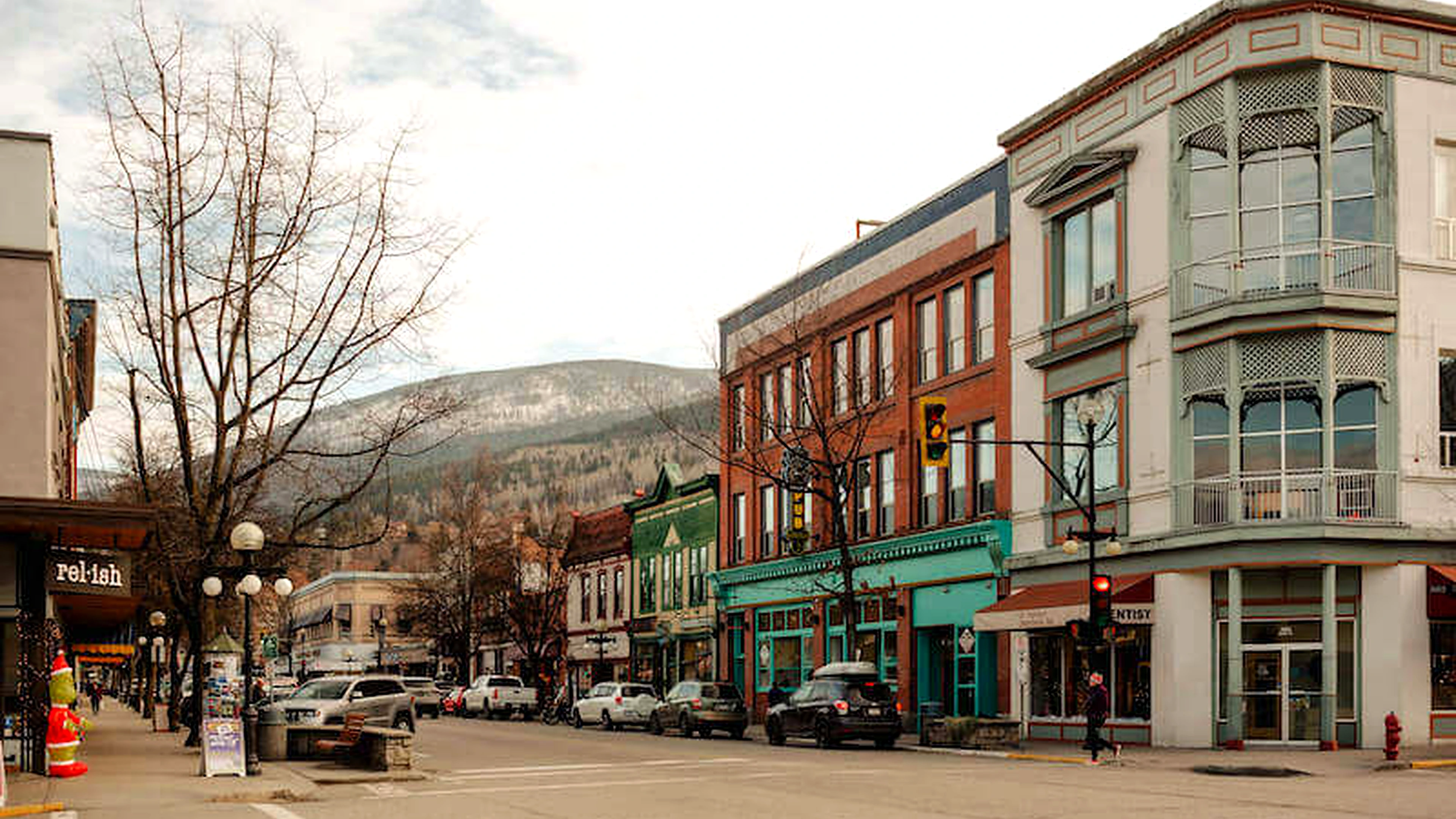
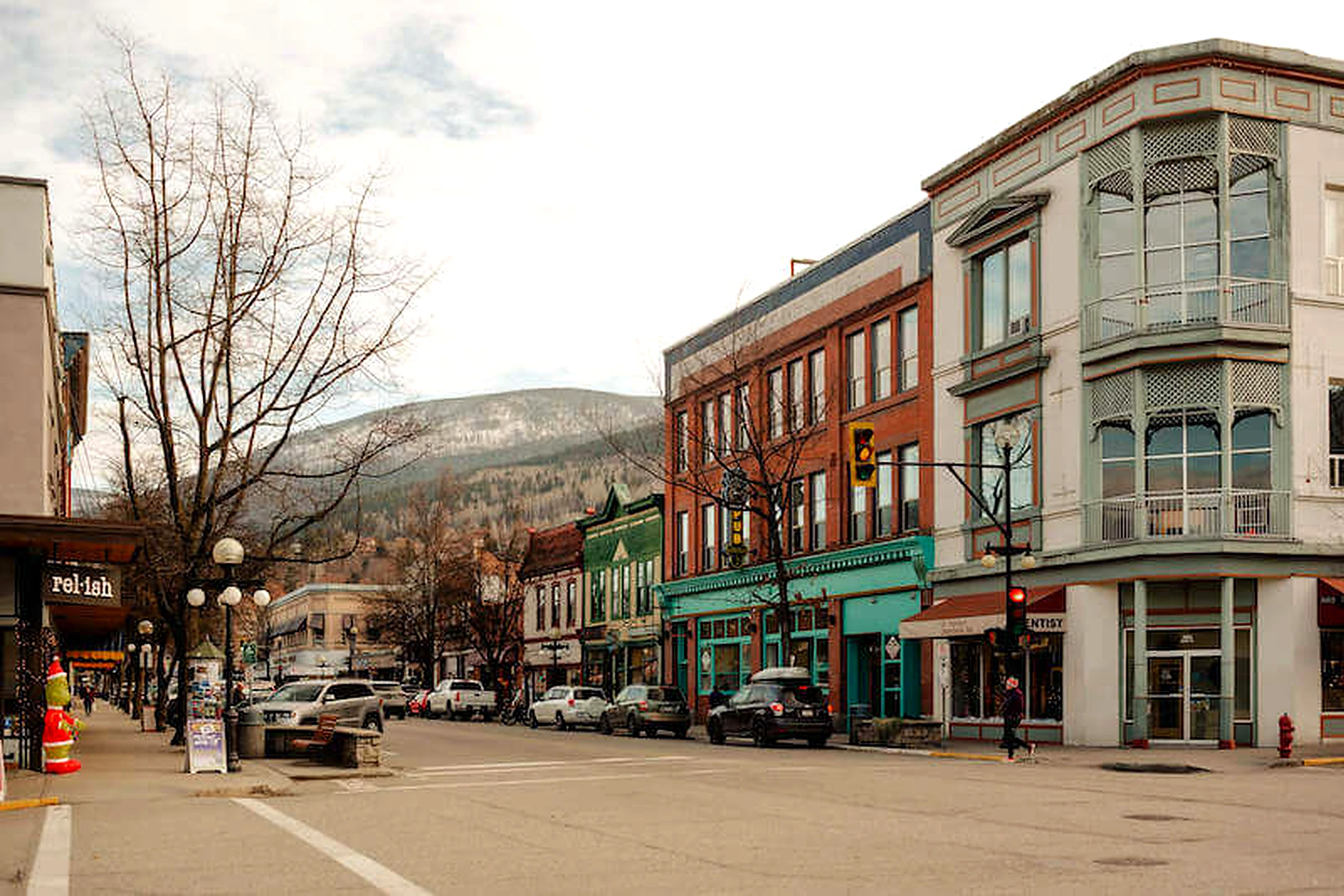
Baker Street gives Nelson its social centre: restaurants, theatre, galleries, markets, and daily errands. Weekends usually pull people toward the lake, trails, or Whitewater.
What to Test First
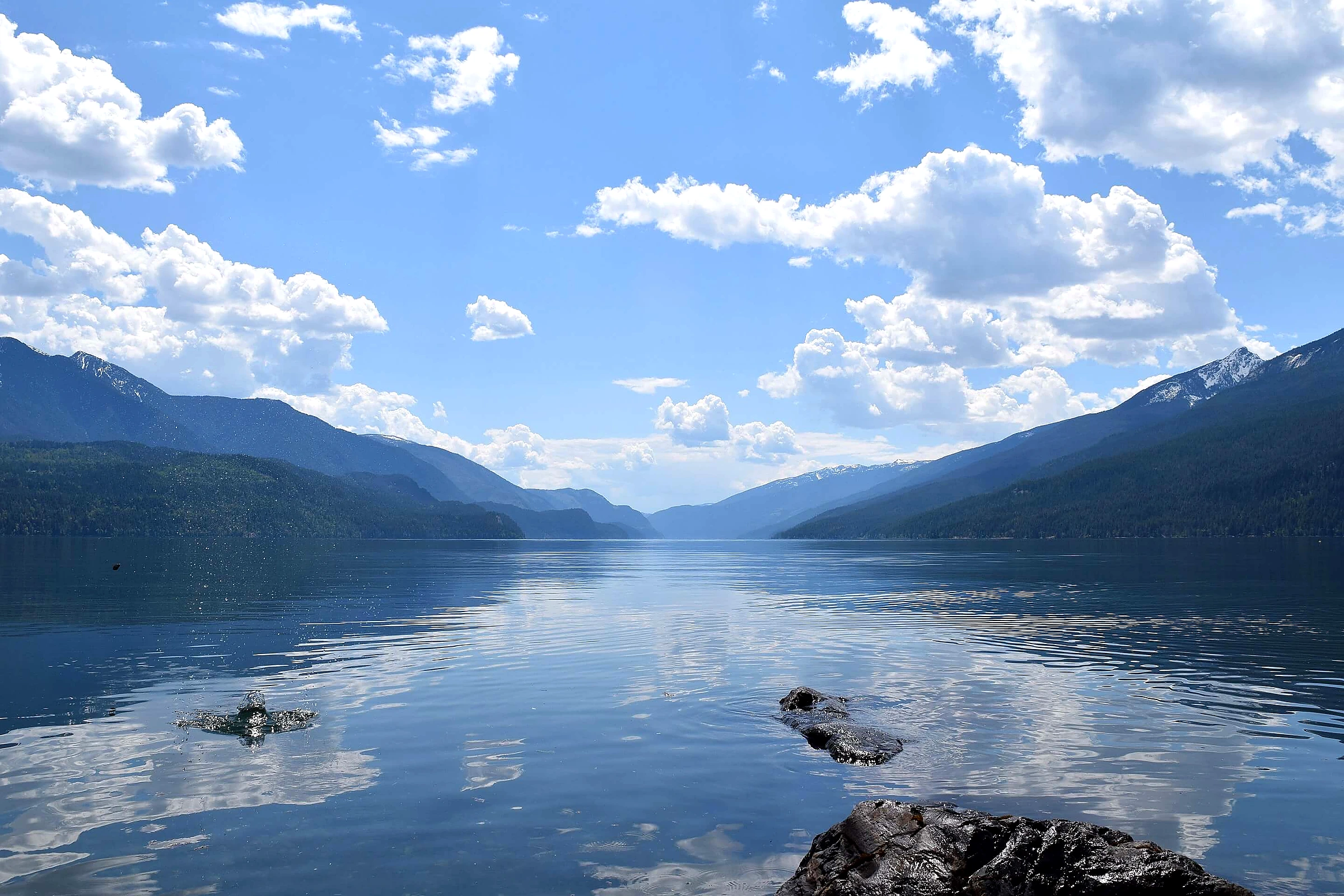
If possible, visit once in summer and once in winter. Nelson is easier to choose confidently when you have felt both the lake season and the snow season.
Tour the life,
not just the house.
Test the daily pattern before the offer: school rhythm, winter roads, groceries, lake access, downtown time, healthcare, and the drive home after dark.
The move should feel
less mysterious.
Relocation buyers need more than listings. They need a plan for scouting, decision-making, professional checks, and the first practical months after arrival.
Before the first trip
Set budget, mortgage comfort, work-from-home needs, school or healthcare priorities, winter tolerance, and whether town, lake, acreage, or village life is the real goal.
During the scouting trip
Drive the routes, park downtown, test grocery and school runs, check cell service, walk the grade, visit at night, compare winter road reality, and see more than one area in the same day.
Before writing an offer
Confirm financing, insurance, title, inspection scope, water, septic, strata, access, school boundaries, commute reality, internet, and what professional advice is needed before conditions are removed.
First ninety days here
Plan doctors, schools, snow tires, trades, utilities, insurance, waste and recycling, emergency routes, childcare or elder care, recreation passes, and the local contacts that make the move settle faster.
Choose the area before the address.
Relocation buyers need a plain read on neighbourhoods, daily routine, costs, winter, and whether the property still works after the first beautiful weekend.
Check the life
outside the listing.
Use these public resources to research schools, healthcare, winter roads, city services, rural services, and wildfire preparation before the move becomes real.
Two trips.
One local map.
Start with a 30-minute call from wherever you are now. Talk through your timeline, needs, and what belongs on the first scouting visit. Then plan the routes.