
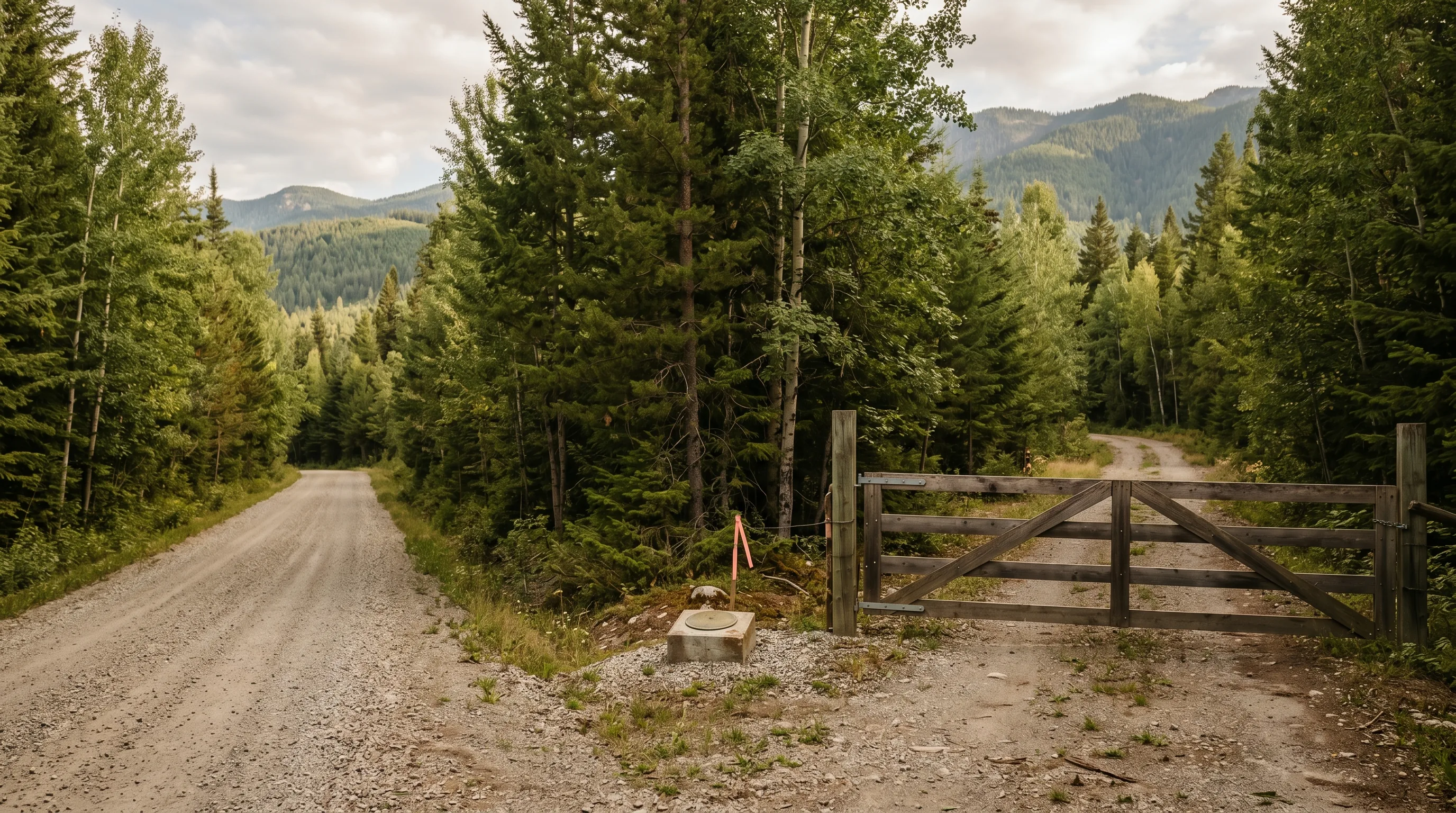
Title, Easements, and Rights-of-Way in Rural BC
A guide to shared roads, utility access, lake paths, covenants, title documents, and the legal rights that can shape rural ownership.
- 7 minRead Time
- BCContext
- SourcesLinks
- LocalNext Step
Physical access is not the same as legal access
A driveway, lake path, road, gate, or utility route may look simple at a showing. The title and supporting documents explain what rights and obligations actually exist.
Shared roads need clear responsibilities
If access depends on a shared road, easement, right-of-way, strata road, or informal neighbour arrangement, understand who maintains it, who pays, who plows, and what happens when repairs are needed.
Let the lawyer review the documents
Title documents, charges, covenants, easements, rights-of-way, and plans should be reviewed by a lawyer. A realtor can help identify questions early, but legal interpretation belongs with legal counsel.
What to confirm
before moving forward.
- Order and review title documents
- Ask about easements, covenants, and rights-of-way
- Confirm road, utility, and lake-access responsibilities
- Have a lawyer review documents before going firm
Better questions,
cleaner decisions.
Do I have legal access to everything I expect to use?
Who pays for shared roads or utilities?
Are there covenants or charges that limit future use?
Start here,
then verify locally.
Source links help you check the policy and agency context behind the guide. Always confirm the current rule and how it applies to the specific property.
Keep going
with the next useful question.
Have a property or sale in mind?
Bring the questions early.
Send Luke the property, area, or selling situation you are considering. A few clear questions before a showing, offer, or sale plan can save time and prevent expensive surprises.